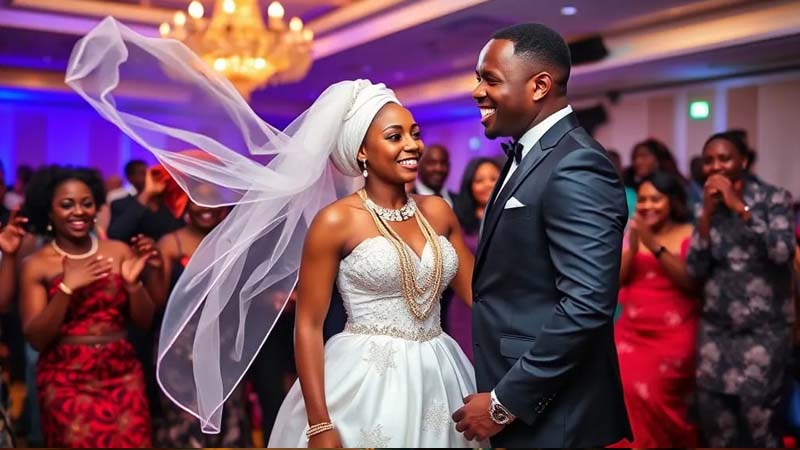
How love, dating, and relationships have changed across generations in Nigeria
Love is timeless, but how Nigerians find it, nurture it, and commit to it has changed dramatically over the years. From community-guided arrangements to social media connections, the evolution of Nigerian love is a powerful story of cultural shifts, economic pressures, and new forms of self-expression.
Then: Courtship, Community, and Structured Romance
In the past, Nigerian relationships were governed by tradition, family involvement, and long courtship rituals. Marriage nearly always involved both families, elders, and cultural norms that set clear expectations.
Marriage Was a Family Decision
Romantic love existed, but individual romantic attraction was rarely the sole reason for marriage. Rather, marriage was a union of families and communities, with love expected to grow over time through shared duty and mutual respect.
This isn’t just nostalgia — it’s backed by research showing that traditional courtship was once the norm and that formal marriage preparation and family approval were essential to relationship legitimacy. (journal.funaab.edu.ng)
Now: Choice, Freedom, and Complex Romance
Fast-forward to the present — and modern Nigerian love looks very different. Dating now emphasizes individual choice, emotional fulfillment, and openness to exploring relationships before committing.
Nigerians Are Choosing Love — But Later and More Selectively
Across Nigeria, the prevalence of marriage is declining compared to decades past. One analysis found that:
- In 1970, about 76.7% of Nigerian women of reproductive age were married.
- By 2024, that figure had dropped to 66.4%, and projections suggest further decline. (Intelpoint)
That’s a clear signal of change — fewer people are marrying as early, and many are choosing not to marry at all.
More People Are Staying Single Longer
Recent data from the National Bureau of Statistics (NBS) highlights another significant trend:
- About 31% of women over age 35 in Nigeria remain unmarried, compared with just 14% of men in the same age group. (Independent Newspaper Nigeria)
This suggests that young Nigerians are taking their time and often prioritizing education, career, or personal readiness before tying the knot.
Divorce and Relationship Durability
There is also a real shift in marital stability. Many older Nigerians remember a time when divorce was extremely rare. Today, separation and divorce are more visible.
According to demographic research from Nigeria’s last population census:
- The crude rate of marital dissolution (including divorce and separation) was 11 per 1000 population.
- Among those who’d ever married, the dissolution rate rose to 29.5 per 1000. (Africa Check)
While these numbers are not as high as in some Western countries, they indicate that relationships are changing substantially in structure as well as expectations.
Legal and sociological experts like Aroh Ebelechukwu, a Nigerian family lawyer, have noted that evolving economic pressures, personality expectations, and legal awareness have contributed to an increased willingness to dissolve unhealthy marriages — something that was much more stigmatized in the past. (Premium Times Nigeria)
Expert Voices on Modern Love in Nigeria
We thought it would be interesting to include voices from respected Nigerian thinkers and relationship specialists:
❤️ Praise Fowowe — Family Life Strategist
Praise Fowowe, a well-known Nigerian family life strategist, emphasizes the need for modern relationship education:
“Love in Nigeria today requires more emotional literacy than ever before, because young people aren’t just marrying tradition — they’re marrying expectations, dreams, and personal growth.” (Wikipedia)
This shift toward emotional maturity and personal development reflects how modern Nigerians view partnerships differently than earlier generations.
💬 Traditional Elders on Marriage
Nigerian elders often remind younger generations about community and stability:
“In the essence of marriage lies the power of unity — where two become one and overcome all challenges together.” (marriageinnigeria.ng)
This captures the heart of traditional Nigeria: marriage wasn’t just an expression of romantic attachment — it was an institution of cooperation and social structure.
How things have changed between then and now?
When you look at the data and a few key themes emerge:
- Greater Individual Freedom: Modern Nigerians, especially in urban centres expect personal choice and emotional compatibility in relationships. This reflects a broader global trend toward individualism.
- Economic Realities Shape Love: Today’s financial pressures mean many young Nigerians delay marriage until they feel financially ready. In the past marriages were more about building a life together from whatever resources the couple had.
- Education and Exposure: Higher education levels and global cultural exposure (through media and travel) have influenced how Nigerians date, express affection, and view marriage. This has both empowered young people and introduced higher expectations for emotional fulfillment.
Finding Love on the Laptop and the Living Room
Modern Nigerian dating has its own customs now:
- Couples often date privately before introducing families
- Meeting through social media and apps is now common
- Emotional and verbal expressions of love are valued alongside family introductions and financial provision.
This balance of old and new is what makes Nigerian relationships so fascinating.
Final Thought: Then vs Now
Love in Nigeria has transformed:
From arranged or supervised courtship, where families led the process, to personal choice. Emotional fulfillment, compatibility, and modern values now influence relationships deeply.
💕 Love in Nigeria has grown up.